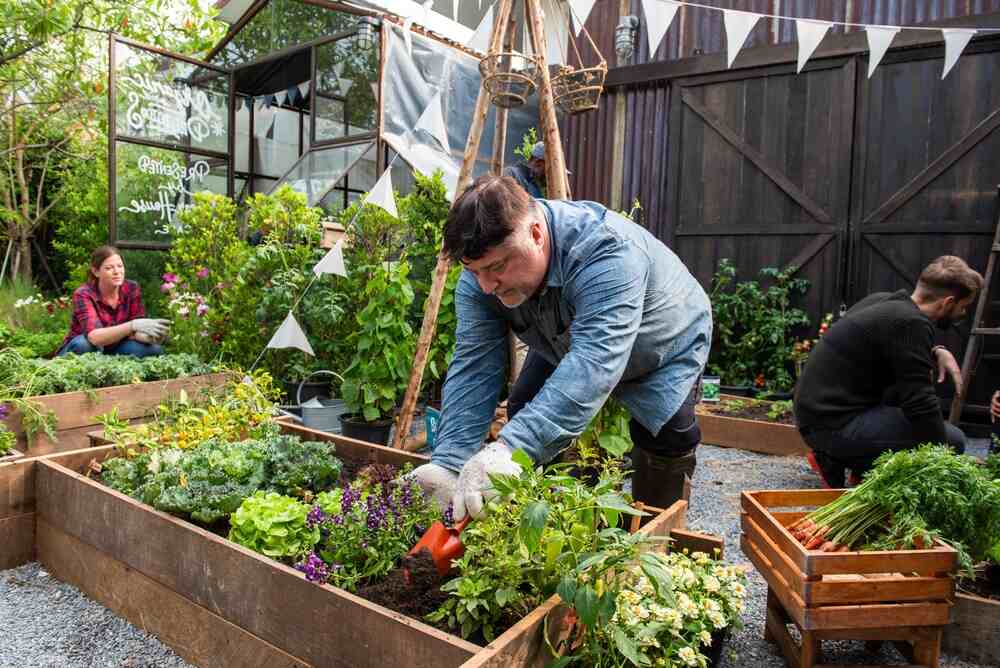
There’s something truly satisfying and special about a vegetable garden. Unfortunately, low quality soil can quickly turn an exciting hobby into a world of disappointment. Tomatoes stall, carrots fork and lettuce bolts, and the cause is usually heavy clay, worn-out topsoil or a raised bed filled with whatever was cheapest.
Fortunately, getting the mix right from the start saves you a season of guesswork. Below, we cover what good vegetable garden soil is made of, the best mix for a raised bed and how much to order.
High-quality soil is the foundation vegetables need to grow, thrive, and survive. Loose and crumbly soil that is rich in organic matter and drains well makes the best soil for vegetables. You also want a neutral pH with a touch of acidity, ideally 6.0 to 6.8.
A mix of clay, silt, sand and organic matter is the ideal soil for vegetables. Here’s why:
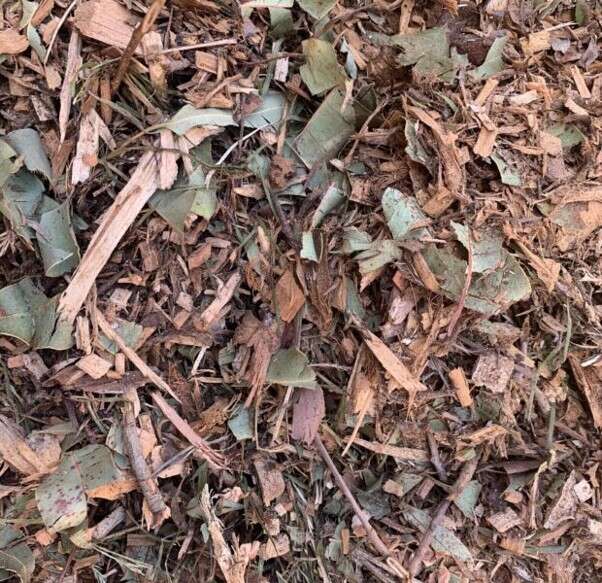
It’s always good to top your vegetable beds with compost, especially before each new planting season. Over the compost, apply some organic mulch such as straw or leaf-based mulch to retain moisture and block weeds.
At Western Port Sand and Soil, we supply sand, soil and garden supplies from our Hastings yard to Crib Point and the wider Mornington Peninsula, so we know which mixes hold up in local conditions. Visit us today or contact us online with any product enquiries!
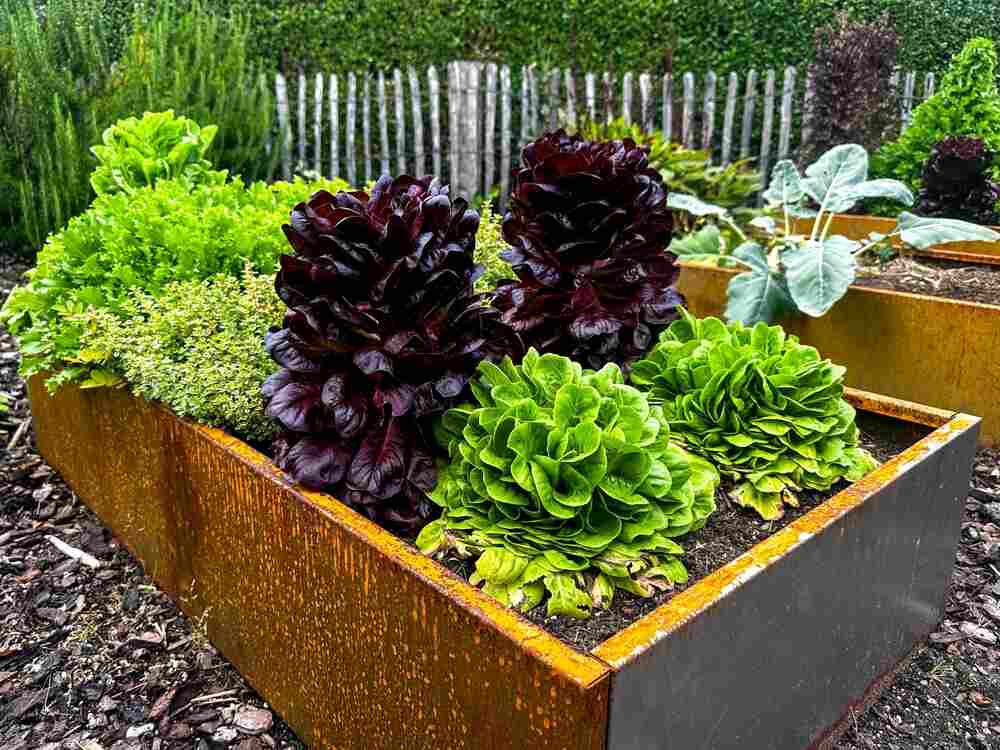
Raised garden beds are popular for a reason. They give you complete control over the growing conditions, as well as the flexibility to set up the soil type, the drainage system and the anti-pest protocols.
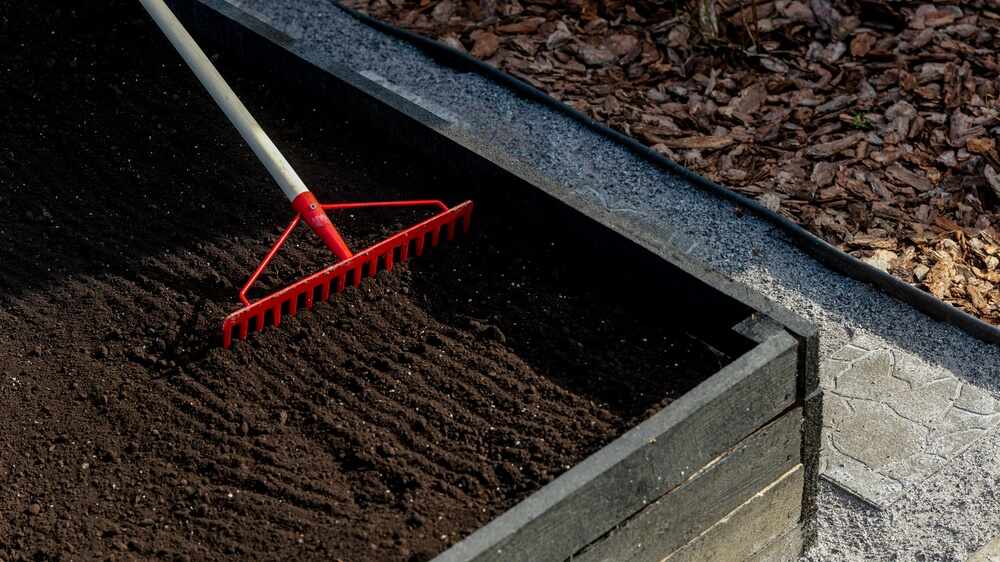
The soil mix you want for a general-purpose raised garden bed would be a balanced blend of quality topsoil and compost. This mix can be changed and the ratios changed, depending on the type of vegetables you want to grow.
A good mix for any raised garden bed can be:
Don’t use:
Topsoil by itself is not enough to grow your vegetables well. Melbourne’s soil is a reactive clay, particularly in the western and north-western suburbs. This compacts easily under foot traffic or too much watering or wet weather. This tends to choke the root zones of your fruits and vegetables.
This clay soil lacks any good drainage as well. You need sand or silt to help drain away excess water, so roots don’t become waterlogged and unhealthy.
Plain topsoil is also lacking in vital nutrients that food-producing plants need to grow healthy and strong.
Lastly, dumping topsoil onto regular soil creates a sharp boundary between soil types. This can be disruptive to the natural water flow through the ground and between layers of soil.
Order too little and you’re paying for a second delivery. Order too much and you’re stuck with a pile you don’t need. A quick calculation gets the amount right.
Multiply your raised bed’s length × width × depth (in metres) to get the volume in cubic metres.
Use the Volume Calculator button at the top right of our homepage to work out how much soil or mulch you need .
Our minimum delivery is 1 m³. A bed like the first one, at 0.9 m³, is just under that, so order 1 m³ and keep the extra for topping up. Smaller beds, like the second, can be collected from our yard. A single axle trailer holds up to 0.5 m³ of soil, so a 0.4 m³ bed fits in one trip. We load utes and trailers six days a week, and we also sell 20 kg bags for very small jobs.
Top up with 50 to 100 mm of fresh soil mix each season to replace what settles and what the plants use.
Mulch is a protective layer for the soil beneath. It can be organic or inorganic, and it helps preserve water, boost growth and block weeds.
The benefits for your vegetables are many:
Lay down a layer of mulch around 50 to 75 mm in depth. Leave a gap of a few centimetres around the base of plant stems and trees to allow breathing and prevent root rot. Wait to apply your mulch until the warmer days of spring.
We offer wholesale mulch supplies across Melbourne, from budget leaf/bush mulch to hammermill mulch, for home gardeners and trade customers alike.
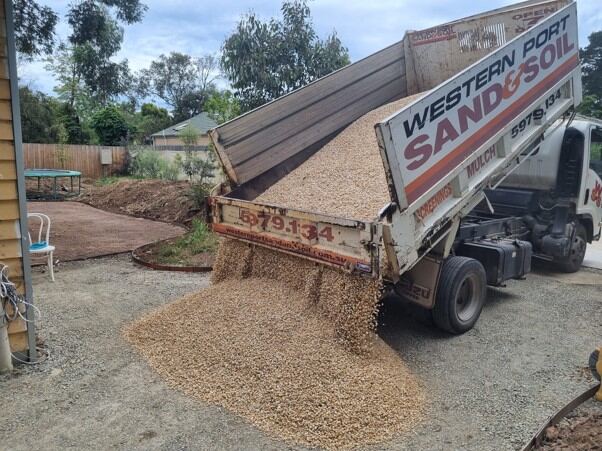
Once you know the mix, depth and volume, the last step is sourcing it. Western Port Sand and Soil is a local yard for garden supplies in Hastings, with sand and soil delivered to Crib Point and suburbs across Melbourne’s south-east. Order by the cubic metre for delivery, or collect smaller amounts from our yard.
Tell us the size of your bed and what you’re growing, and we’ll help you work out the right mix and quantity.
A free-draining soil rich in organic matter. Our Veggie Mix is a three-way blend of garden soil, organic compost and mushroom compost, made to support a higher yield and good drainage.
Yes. It works for new veggie gardens and as a topdressing over existing beds, which replaces the nutrients your vegetables have used.
Multiply the bed’s length × width × depth in metres to get cubic metres. For example, a 1.2 m × 2.4 m bed filled 300 mm deep needs about 0.9 m³. You can also use the Volume Calculator on our website.
Organic mulches such as sugar cane mulch or leaf/bush mulch suit vegetable beds because they break down and feed the soil. Avoid fresh hardwood mulch, which pulls nitrogen out of the soil as it decays. Spread it 50 to 75 mm deep and keep it a few centimetres away from plant stems.
Yes. We load utes and trailers in our yard six days a week, and we sell products in 20 kg bags. A single axle trailer holds up to 0.5 m³ of soil, enough for a bed around 0.9 m × 1.8 m at 250 mm deep.
We deliver to all suburbs across Melbourne, including Hastings, Crib Point, Mornington, Frankston, Rosebud, Cranbourne and Pakenham. Call us on 03 5979 1134 if you’re unsure about your suburb.
We deliver six days a week and aim to deliver all orders on the same day. We recommend ordering at least the day before you need it.

